1. Corporate Franchise Networks vs. The Independent Advantage
The New Zealand portable cabin market features several well-established national franchise networks (such as Just Cabins or RoomMate Cabins).
The Consideration: These large networks have significant collective marketing budgets and high brand recognition across regional New Zealand.
The Strategic Counter-Punch: This business is 100% independent. A buyer needs to know that this is a massive advantage: you pocket 100% of the returns with zero franchise fees, zero marketing levies, and no strict territory boundaries. While a franchisee is trapped in a single postal code, this business can seamlessly chase demand and deploy cabins anywhere in Auckland or across the wider North Island.
2. Recent Regulatory Shifts (The 2026 Granny Flat Laws)
A major macro-environmental change occurred in New Zealand with the introduction of the new standalone dwelling rules, which allow permanent granny flats up to 70m2 to be built without a standard building consent.
The Consideration: Some buyers might worry that easier rules for permanent backyard builds will reduce the demand for rental cabins.
The Strategic Counter-Punch: In reality, portable trailer cabins serve a completely different financial and lifestyle need. A permanent build—even without consent—still requires $100,000 to $200,000+ in upfront capital, licensed building professionals, and permanent site modification.
Portable cabins cater to the flexible, zero-capital-outlay market. Families needing space for a teenager, an aging relative, or a temporary home office can get a cabin delivered instantly for a low weekly rent, with the freedom to have it wheeled away the moment their circumstances change.
3. Barrier to Entry: Capital & Manufacturing Lead Times
The threat of a small-scale local operator buying a couple of cheap flat-pack kitsets or uninsulated import shells and trying to undercut rental prices is always a factor in micro-markets.
The Consideration: Low-cost, uninsulated kitset cabins are easily accessible to the general public.
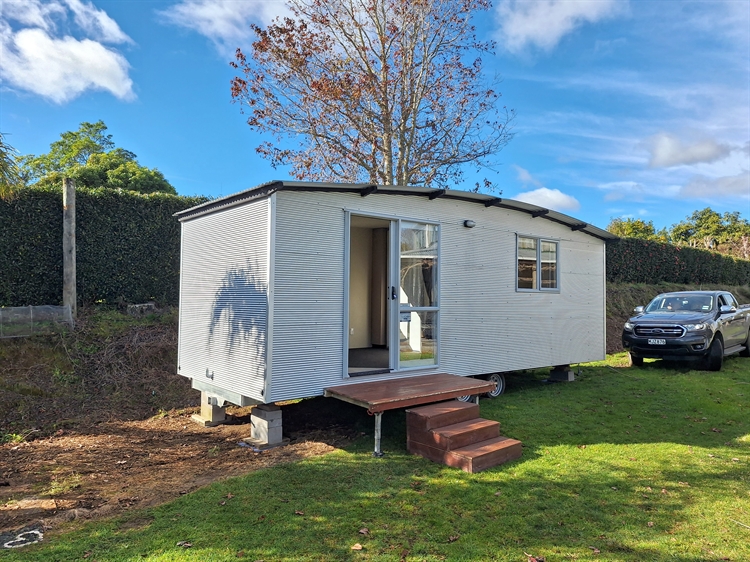
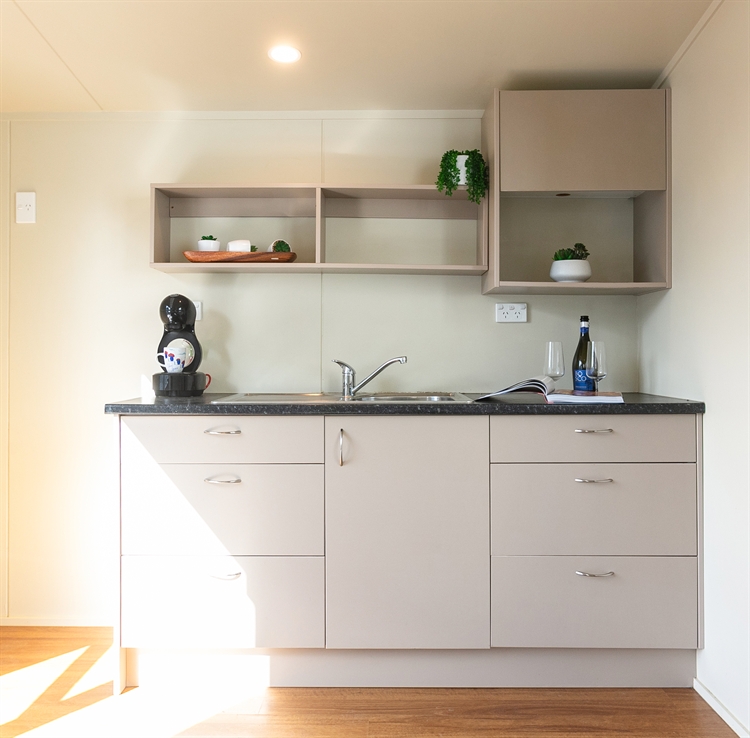
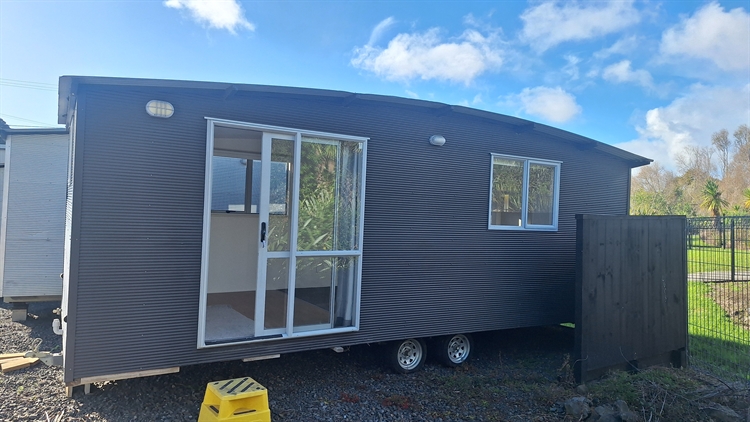
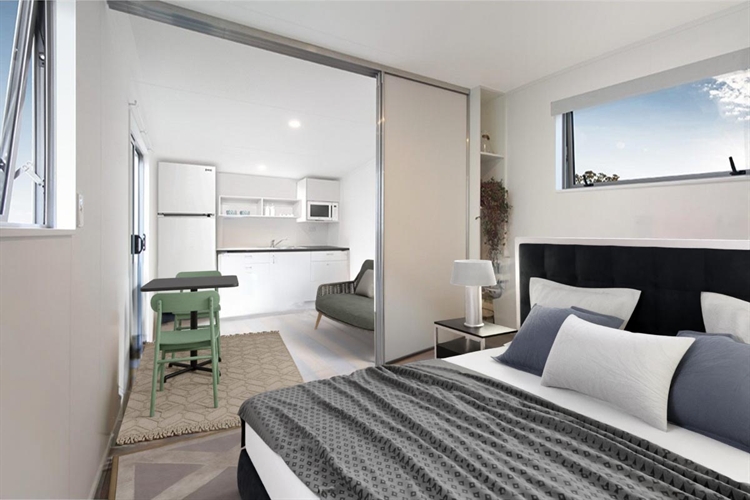
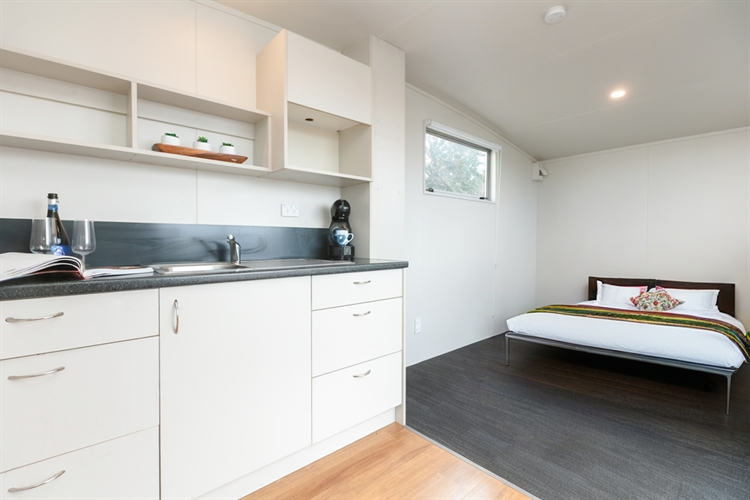
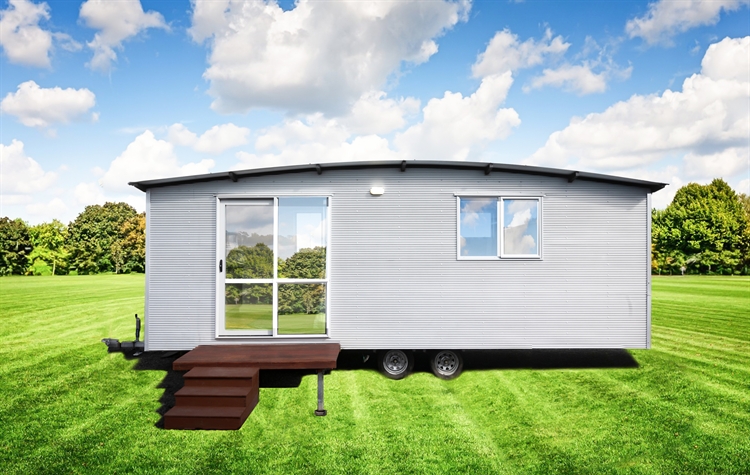
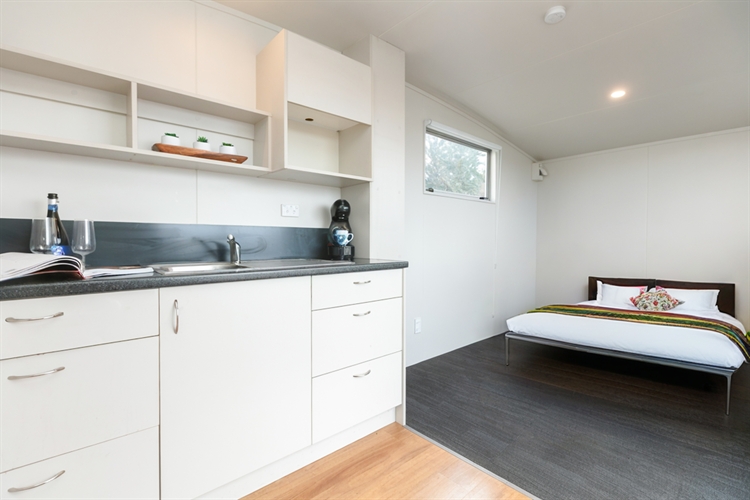
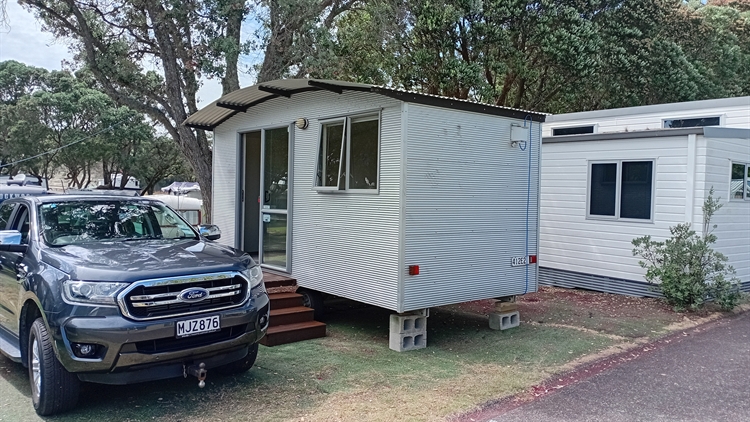
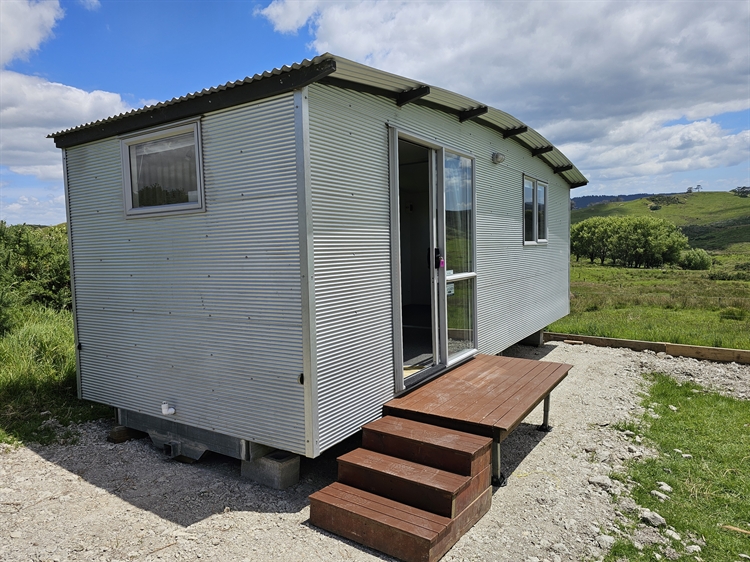
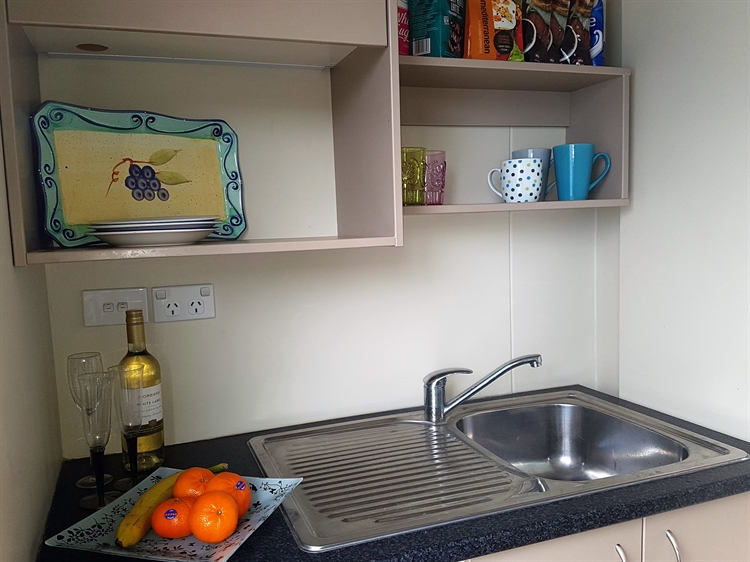
The Strategic Counter-Punch: This operation is heavily protected by its scale and quality. The fleet consists of 40 heavy-duty, professionally built, fully insulated trailer-mounted units. Most importantly, every single unit was completely refurbished over the last 2 years, ensuring premium functionality and aesthetic appeal that cheap competitors cannot match.
For a new competitor to match your cashflow, they would need a $1.2M+ capital outlay, specialized delivery vehicles, and months (or years) of manufacturing wait times—all while taking on the vacancy risk of building a client base from scratch. This business bypasses that entire struggle with a 100% occupancy rate on day one.
4. Location Fluidity as a Market Shield
If a specific localized market becomes overcrowded with competitors or experiences an economic slowdown, a traditional brick-and-mortar business or a localized franchise is stuck.
The Consideration: Regional economic changes or shifting population densities in specific Auckland suburbs.
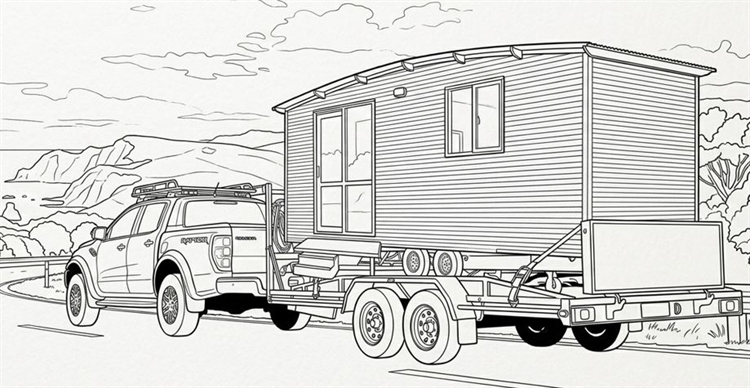
The Strategic Counter-Punch: Because this entire asset fleet is built on a mobile chassis and supported by a purpose-built trailer and Ute, the business possesses ultimate geographic flexibility. If competition ever intensifies in one region, the asset base can easily be re-allocated to high-demand, high-yield growth areas anywhere across the North Island without disrupting the corporate structure.
Summary for the Buyer: The business doesn’t compete on low-margin, entry-level DIY structures. It competes as a premium, turn-key logistical service. Its primary defense against competition is its sheer scale, 100% current occupancy, independent high-margin structure, and the immediate, friction-free cash flow it yields
Risks & Mitigations Disclosure
Risk Category & Description Market Reality & Impact Business Defenses & Mitigation
Corporate Competition
Large national franchise networks (e.g., Just Cabins, RoomMate) operating with collective marketing budgets.
Franchises hold high local brand awareness and established territorial presence throughout regional New Zealand. 100% Independent Advantage: This business pays zero franchise fees, zero marketing levies, and has no strict territory boundaries. A new owner keeps 100% of the profits and can deploy cabins dynamically anywhere the highest rental yields exist across the North Island.
Regulatory Changes
The implementation of the January 2026 Granny Flat Laws (allowing standalone minor dwellings up to 70 square metres without standard building consent).
Prospective buyers might assume easier permanent backyard builds will permanently reduce the demand for temporary rental cabins. Completely Different Market Tier: A permanent 70 square metre build—even without consent friction—still requires 210,000 to 260,000 NZD in upfront capital, site works, and a PIM (Project Information Memorandum). This business captures the zero-capital-outlay, ultra-flexible market. Families and businesses needing immediate space for temporary durations can rent instantly without debt or permanent property alteration.
Asset Maintenance & Aging
Ongoing wear and tear on a mature rental fleet (units ranging from 7 to 15 years old).
Older rental stock can suffer from degraded aesthetics, structural weathering, or high ongoing maintenance costs that eat into cash flow. Recent Capital Refurbishment: The entire 40-cabin fleet underwent a comprehensive refurbishment program over the last 2 years. Every single unit is in excellent functional and structural condition. Day-to-day maintenance routines are minor, highly systemized, and fully outsourced to trusted regional contractors, requiring less than 5-10 hours per week of administrative oversight from the owner.